
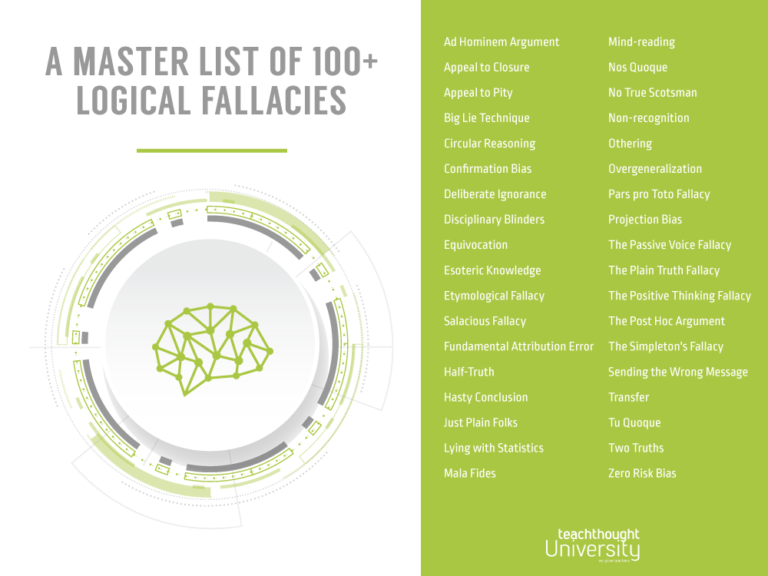
A Complete Logical Fallacies List With Examples For Critical Thinking contributed by Owen M. Wilson, University of Texas El Paso A logical fallacy is an irrational argument made through faulty reasoning common enough to be named for the nature of its respective logical failure. The A Priori Argument Also: Rationalization; Dogmatism, Proof Texting A corrupt argument…
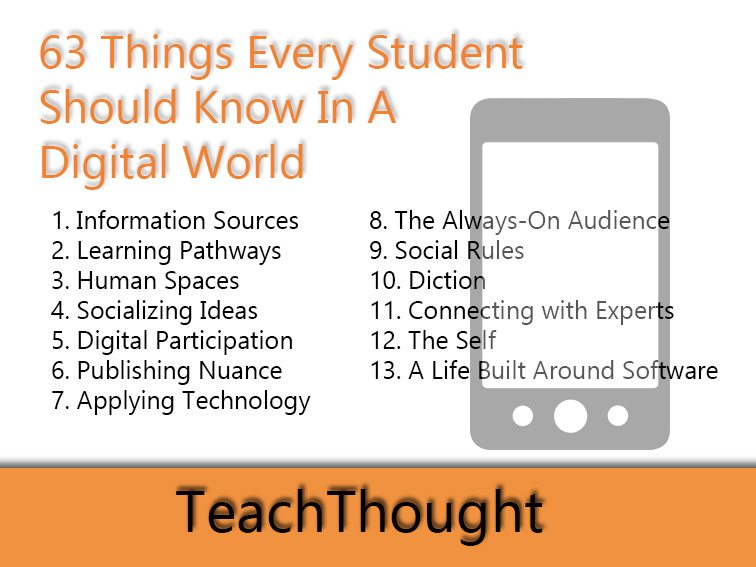
It could be argued—and probably argued well—that what a student fundamentally needs to know today isn’t much different than what Tom Sawyer or Joan of Arc or Alexander the Great needed to know. Communication. Resourcefulness. Creativity. Persistence. How true this turns out to be depends on how macro you want to get. If we want…
Finding 1. Skim past less helpful info. 2. Use relevant keywords 3. Choose general vs. specific searches 4. Document/curate artifacts from search process Evaluation 1. For credibility 2. For timeliness 3. For bias 4. For relevance Citing 1. Understanding rights/copyrights/creative common 2. Use appropriate citation form (MLS, ALA) Questioning 1. Begin inquiry with relevant question…
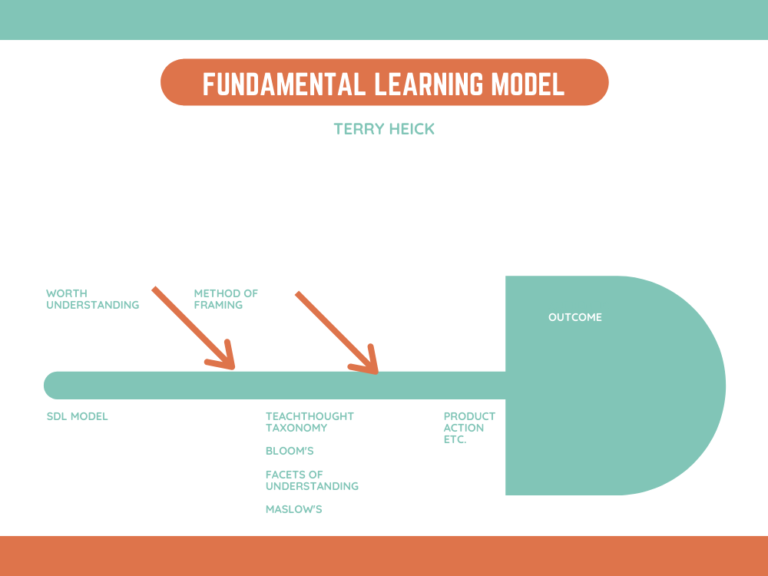
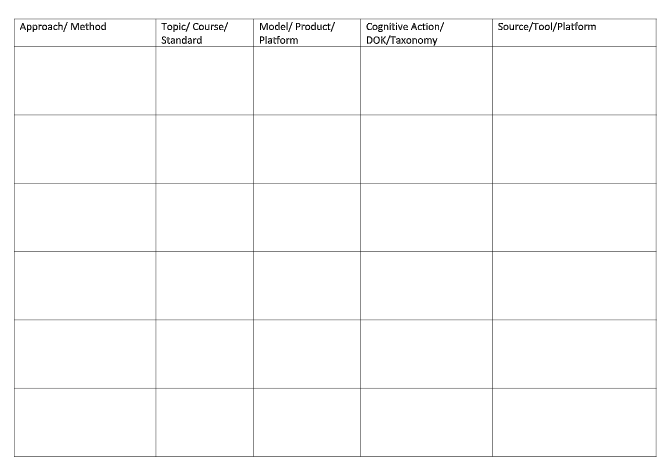
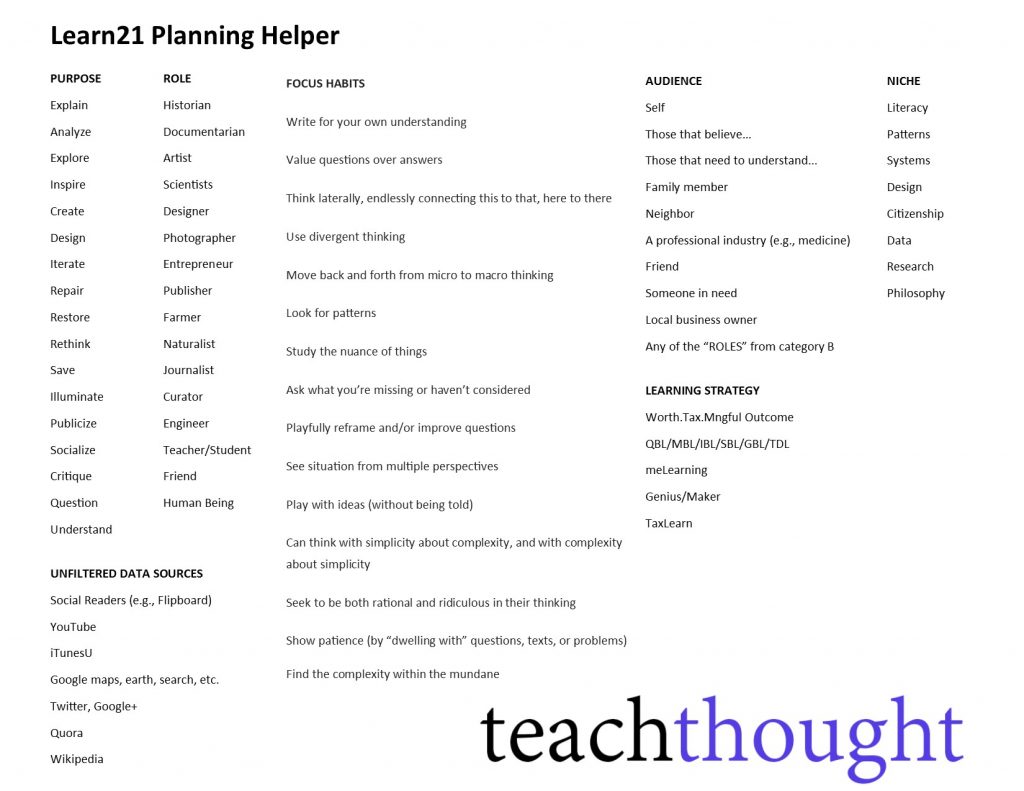
Choose Topic Worth Knowing Choose Method Of Framing Choose Specific Outcome
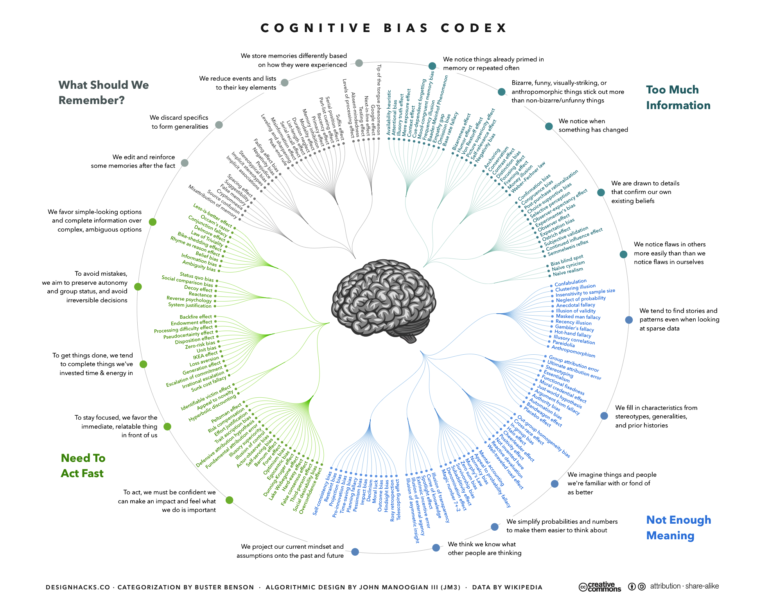
A cognitive bias is an inherent thinking ‘blind spot’ that reduces thinking accuracy and results inaccurate–and often irrational–conclusions.